Stay tuned for important updates regarding ICL2026! Key dates, including submission deadlines, registration periods, and program announcements, are shown in the table. Nevertheless, it’s essential to keep an eye on our communications to ensure you don’t miss any critical information about the conference.
| Date | Activity | |
|---|---|---|
| 08 Apr 2026 | Submission of: (i) structured abstracts (for full/short papers) for the conference (ii) Special Session proposals | |
| 15 Apr 2026 | Notification of acceptance for abstracts for the conference Special Sessions notification and announcement | |
| 22 May 2026 | Submission of: (i) complete papers for all submission types (ii) proposals for round tables, workshops, tutorials | |
| 15 Jun 2026 | Notification of acceptance | |
| 20 Jul 2026 | Camera-ready due/Final upload | |
| 20 Jul 2026 | Author registration and payment | |
| 30 Sep 2026 | ICL2026 Conference Opening | |
The onset of rapid digital transformation and the use of AI is another great achievement of engineering innovation and creativity. Organisations around the world are racing to adopt these technologies and the promised productivity gains. Nations are also quickly developing policies on data governance and security while also investing in the development of the new digital technologies that will dominate the next industrial revolution.
Engineering educators also have an opportunity to leverage digital approaches to engineering education to address the capacity gap in engineering – to increase the number and quality of engineering professional in geographic regions where they are needed most – Africa, Asia and Latin America. It is also an opportunity to increase the participation of women and other under-represented groups in engineering.
This presentation will provide insights into the strategies being used in global projects supported by the United Nations and various UN agencies, the World Federations of Engineering Organisations and its partners at the WFEO Institute. The WFEO Institute, formerly WFEO Academy, is leveraging digital technologies for engineering education, to support engineering educators with the new pedagogies required for teaching in a digital learning environment. The presentation will also discuss approaches to ongoing professional development of qualified engineering professional to support lifelong learning in a rapidly changing world. This is essential to provide the engineering capacity that is urgently needed to advance the UN Sustainable Development Goals and to ensure that no one is left behind.
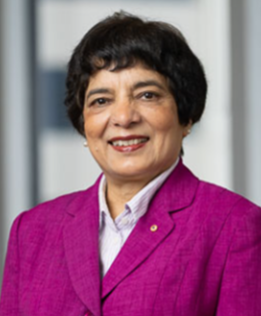
Dr Marlene Kanga AO FTSE FREng (UK) FAA Hon.FIE (Aust) Hon. FIChemE (UK) was President of the World Federation of Engineering Organisations (WFEO) in 2017-2019, the peak body for engineering institutions internationally representing some 100 engineering institutions and more than 30 million engineers. A chemical engineer, she was the 2013 National President of Engineers Australia. She is a Fellow of the Academies of Engineering and Science in Australia, an international Fellow of the Royal Academy of Engineering and a Foreign Fellow of the ASEAN Academy of Engineering and Technology.
She is an Officer of the Order of Australia, a national honor, "For distinguished service to engineering, particularly as a global leader and role model to women, to professional organisations, and to business."
During her term as WFEO President, Dr Kanga led the initiative for the member states at UNESCO to declare 4th March, the founding Day of WFEO, as World Engineering Day, in November 2019. Dr Kanga leads the development of celebrations annually including the international WFEO Hackathon, the largest international competition for engineering students globally, reaching 9 million and attracting 270 team submissions in 2026, from every continent.
In 2019, she initiated and led WFEO for the review of the international benchmark for engineering education and professional competencies, in partnership with the International Engineering Alliance (IEA), the International Federation of Engineering Education Societies (IFEES) and Global Engineering Deans Council (GEDC), supported by UNESCO. Approved in 2021, this was the most significant review of the Benchmark since it was established in 1989, modernizing the expected outcomes of engineering education in the digital age, with changes being implemented globally by IEA signatories in more than 30 nations, by 2026.
She established the WFEO Academy in 2022, to provide on-line training and capacity building for engineers and educators in Africa, Asia and Latin America, Now the WFEO Institute, it is scaling for greater global reach in partnership with engineering faculties around the world.
Dr Kanga is a board member and non-executive director of some of the largest organizations in Australia in the utilities, transport and innovation sectors. She is an Honorary Fellow of the Institution of Engineers Australia, an Honorary Fellow of the Institution of Chemical Engineers (UK), and an honorary fellow of the engineering institutions of New Zealand, Mauritius and India.
She is the recipient of numerous awards in Australia and internationally including the Peter Nicol Russell Medal, the most prestigious individual award for engineers, by Engineers Australia. She is listed among the 100 engineers contributing to Australia in the last 100 years (2019), among the Top 100 Women of Influence and one of the Top 10 women engineers in Australia.
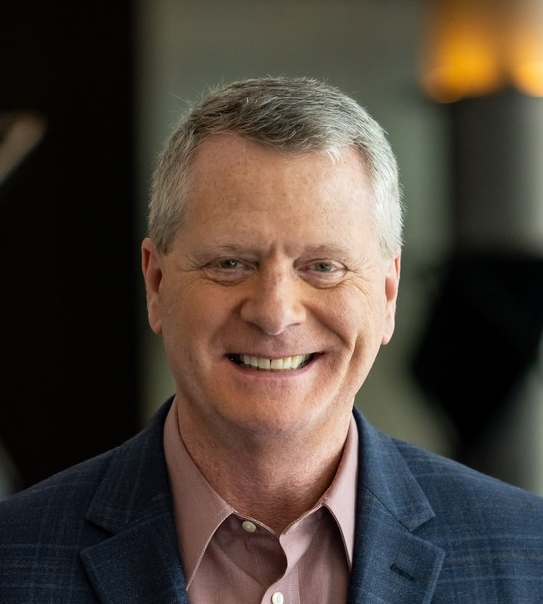
Sustainability is often framed as a technical challenge or an environmental obligation, but at its core, it is a human endeavor. The greatest obstacle to successfully addressing the many sustainable challenges facing our world is human behavior, and how to change it. This keynote explores the importance of building purposeful cross-sector partnerships and how they can unlock new pathways for meaningful change.
Michael K. J. Milligan, PhD, P.E., CAE, currently serves as the Chief Executive Officer of ABET, an ISO 9001 certified, global, nonprofit quality assurance organization of 34 technical and professional societies. Through the accreditation of academic programs, recognition of professional credentials and assessment of student learning, ABET supports excellence in higher education worldwide. Each year, over 200,000 students enter the global workforce from over 4,800 ABET accredited programs in 42 countries.
In his 15+ years leading ABET, the organization has grown by over 78% in total accredited programs, significantly impacting the quality of higher education around the world and helping ensure future leaders are equipped to build a safer, more efficient and more sustainable world.
Milligan served more than 24 years as a U.S. Air Force officer, with experience spanning operations, space communications, engineering education, international research and development and technology acquisition. He also held faculty leadership roles at the U.S. Air Force Academy as an assistant and associate professor of electrical engineering, where he led curriculum development, advanced outcomes-based assessment aligned with ABET accreditation, and oversaw faculty development, academic operations and continuous program improvement.
He then led a team at the Aerospace Corporation supporting the development of the next generation environmental satellites for National Oceanic and Atmospheric Administration at the National Aeronautics and Space Administration Goddard Space Flight Center. As Systems Director, he guided multidisciplinary teams of engineers, scientists and technical staff across multiple locations, overseeing the integration of space- and ground-based systems critical to mission success. His leadership helped ensure the delivery of complex, high-reliability systems supporting national environmental monitoring and forecasting capabilities.
Milligan holds a PhD in Electrical Engineering and an MBA (Master of Business Administration). He is a senior member of the Institute of Electrical and Electronics Engineers (IEEE), and a member of both the Tau Beta Pi Engineering Honor Society and IEEE Eta Kappa Nu Electrical Engineering Honor Society. He is a registered Professional Engineer in Colorado and Maryland and a Certified Association Executive.
Outside of his professional roles, Milligan is a certified Master Naturalist for the state of Maryland and actively engages in environmental and community-focused projects supporting native habitats and outdoor education.
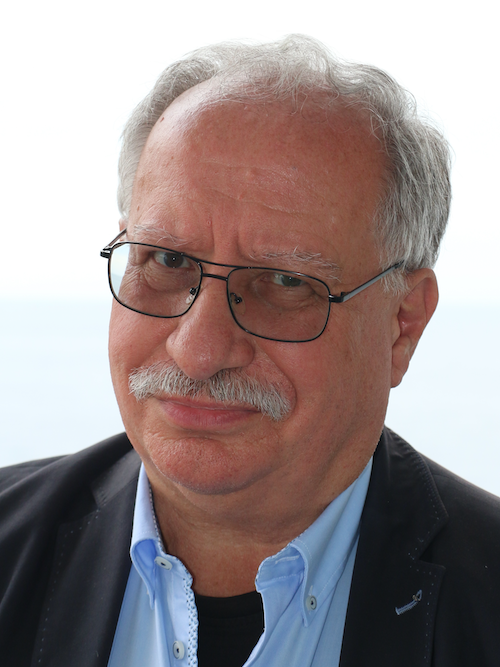
Everyone is familiar with mental time travel. What would have happened if I had ...? What will happen if I seize the opportunity and ...? Mental time travel has a significant influence on the development of the human brain. Understanding mental time travel as a form of knowledge representation is one of the more recent achievements in cognitive science. It is a challenge for research and development in the field of educational technologies to make use of mental time travel. The biggest challenge is to make time travel a tangible experience in educational applications. This overlaps with digital storytelling for educational purposes. Storytelling is an ancient VR technology. Digital games provide the methodological and operational framework for not only having stories told to learners, but also contributing to shape them. Storytelling is transformed into story engagement. In a time travel prevention game, learners experience the opportunity to impact fate. Experienced stories of success are a pleasure to remember and worth telling. The remembered journey through time is a form of knowledge representation, affective and, thus effective and sustainable.
Klaus Peter Jantke is a distinguished German mathematician, computer scientist, University teacher, and academic researcher specialising in artificial intelligence, educational technology, game studies, and gamification. Born in East Berlin in 1951, he completed his Abitur in 1970 and studied mathematics at Humboldt University in Berlin, where he earned a diploma with a thesis awarded the Karl-Weierstraß Prize in 1976. He attained his PhD in 1979 with a thesis on the performance and complexity of universal methods for recognizing general-recursive functions, earning the Humboldt Prize from Humboldt University. Jantke's academic career includes becoming a full professor at the age of 35 in theoretical computer science and artificial intelligence at Technische Hochschule Leipzig. He has taught at several international universities and contributed to numerous research projects funded by German federal ministries, NATO, and other institutions. Notably, he established the competence centre for e-learning at the German Research Centre for Artificial Intelligence and was Germany’s first professor of computer games in 2006. His leadership roles include heading multimedia applications and children’s media departments at various institutions like Technische Universität Ilmenau and Fraunhofer Institute for Digital Media Technology. He also founded the German Games Master Class and has been a prominent keynote speaker at international conferences on digital games and virtual crimes. Since 2016, he has served as Chief Scientific Officer at ADICOM and consulted for the Sino-German Industrial Design Centre for economic cooperation development. Since May 2024, Jantke works as head of research and development with ADAMATIK in Weimar.
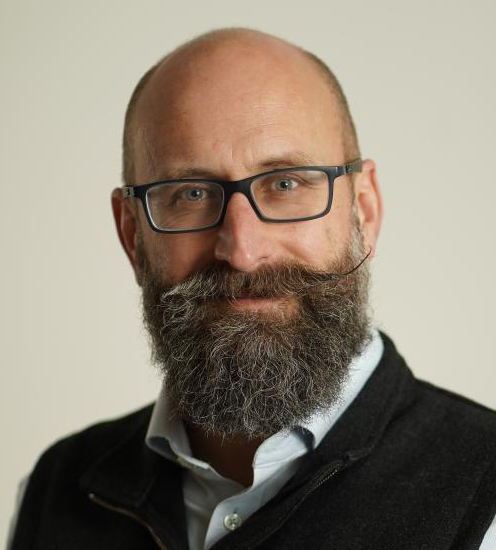
Reimagining learning is a critical step in responding to the digital age of ubiquitous internet communication and generative artificial intelligence. Once we have identified where we want to go with learning in the digital age, then we have to get there. That’s not necessarily simple. We are not starting from a clean slate, and instead have to consider how existing educational institutions will adapt and evolve. Over hundreds of years of higher education, there have been major changes before, and we can learn from those. This talk references historical events from two hundred years ago that occurred between Scotland and Germany. And then shows how lessons learned from that era can be applied to present practice, illustrated by the approach we are currently taking with digital education in engineering. In particular, we co-develop technological and pedagogical approaches to digital practical work in the form of remote laboratories and use the rich data stream to provide feedback to students and staff. Their successful delivery has also required a transformation in how we and our colleagues work. Together these elements of history and current practice shed some light on the kinds of activities that are likely to occur more widely in higher education institutions that seek to move into the digital age.
Professor Timothy Drysdale is the Chair of Technology Enhanced Science Education and Directory of Strategic Digital Education in the Institute for Imaging, Data and Communications in the School of Engineering at the University of Edinburgh, Scotland. He joined the University of Edinburgh in 2018 with the express goal of developing remote laboratories for traditional on-campus education. This came in the form of the open-source practable.io system, which currently hosts nearly 200 experiments on campus and serves thousands of hours of experiments every year. His word has led to international awards including the Global Online Laboratories Consortium Remote Experiment Award (2023), and the Association for Learning Technology/Jisc Digital Transformation (2024). His team have received funding from the United Kingdom’s Royal Academy of Engineering for secondary school experiments, Voctech Activate for vocational experiments, and from the Science and Technology Facilities Council for virtual laboratories in secondary and further education in Northern Ghana. Prior to this, he was Senior Lecturer at the Open University, Milton Keynes, United Kingdom, where he as the Founding Director and Lead Developer of the £2.9M openEngineering Laboratory, recognised by awards such as the Times Higher Education Outstanding Digital Innovation 2017, The Guardian Teaching Excellence 2018, Global Online Labs Consortium Remote Experiment Award 2018, National Instruments Global Engineering Impact Award for Education 2018, and a Queen's Anniversary Prize in 2023.
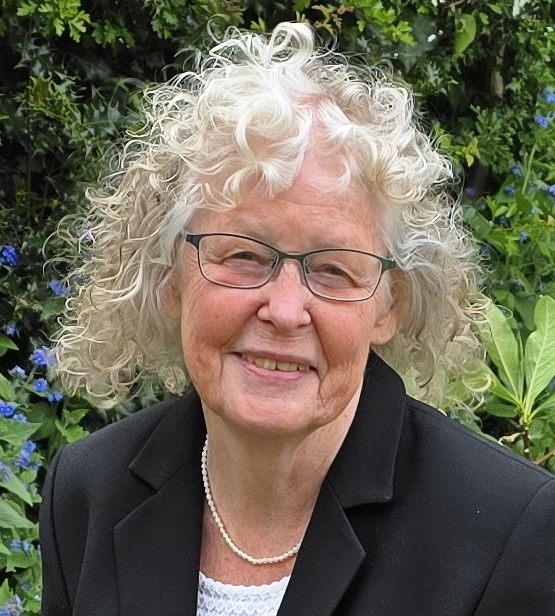
The difficulty we have today when we are thinking about Reimagining Learning for a Digital age is that what counts as learning has become increasingly difficult to define, for example:
The difficulty is that lying has become so prevalent it is difficult to define and manage. Lying has become acceptable. Despite the rise of deep fake technology and fake news as human beings we are still poor at detecting truth. In general we tend to trust people and situations believing the best of others and assuming that we are reading facial cues correctly. Yet in the academic world lying invariably as hidden and long term consequences. Furthermore the impact of doing little to prevent cheating particularly the misuse of AI means that the prevalence of cheating and lying continues to grow and academic values of truth and justice diminish. This talk will argue that we are not yet equipped to manage the impact AI is having on learning and higher education in general. It will suggest that reimagining learning AND assessment may help cut through the lies and offer some purchase on ways of enhancing and re-creating our thinking around engineering pedagogy.
Maggi Savin-Baden is Professor and Senior Research Fellow, Blackfriars Hall, University of Oxford, UK. She was educated at The University of Brunel and The University of London, gaining an MA and PhD then in 2010 completed an MSc in e-learning at The University of Edinburgh. Funded by JISC and the Leverhulme Trust, Maggi has explored the impact of learning in Virtual Worlds and continues researching Digital and Artificial Intelligence at Blackfriars Hall’s Las Casas Institute for Social Justice. She has authored, coauthored and edited 31 books in the areas of innovative learning, digital fluency, artificial intelligence, the postdigital, digital afterlife, virtual humans, qualitative research methods, problem-based learning and the metaverse. Her most recent book is with her son Zak entitled Realistic and Ethical use of AI and published by Routledge. She is currently co-editor of the Metaverse book series. In her spare time, she runs, bakes, climbs, snowboards, does wild swimming and attempts triathlons.
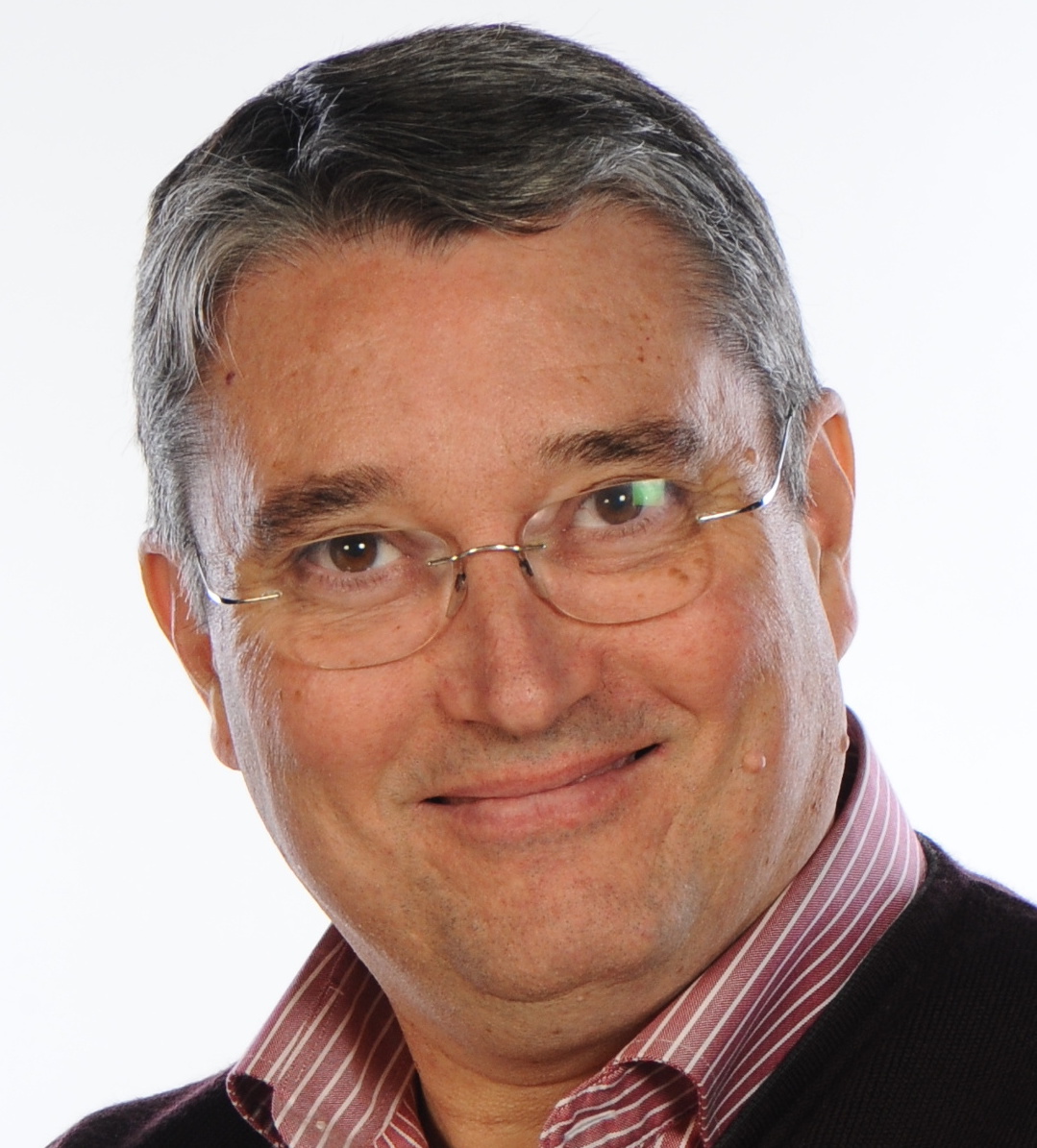
The rapid emergence of generative Artificial Intelligence is transforming the epistemic landscape of education. Information retrieval —historically a major component of academic work— has become nearly instantaneous. This shift challenges traditional teaching models that were built around information scarcity, passive lectures, and assessments based primarily on written products. At the same time, it opens an unprecedented opportunity to strengthen Active Learning approaches and bring education closer to the authentic practices of scientific and engineering work.
This keynote presents an educational framework that merges Active Learning (AL) and Artificial Intelligence (AI) into a coherent pedagogy (AL+AI) designed for modern STEM and engineering education. In this approach, students work collaboratively on carefully curated activity scripts that begin with concrete cases —experiments, datasets, design problems— and guide learners toward conceptual abstraction. AI is used openly as a tool for rapid information retrieval, numerical exploration, code generation, and hypothesis formulation. Crucially, AI outputs are never treated as authoritative: they become starting points for systematic verification, discussion, and conceptual refinement using curated course materials and peer interaction.
The framework reframes the role of the instructor—from information provider to architect of learning environments and epistemic verification processes —and promotes evaluation methods that are compatible with AI-rich environments, such as oral defenses, group reasoning sessions, and authentic project-based assessments.
Drawing on implementations in STEM classrooms, including physics, chemistry, and engineering-oriented contexts, the lecture will illustrate how the AL+AI paradigm supports deeper conceptual understanding, strengthens transferable competencies, and aligns academic training with the collaborative, AI-augmented practices increasingly found in professional engineering and scientific environments.
Francesc Xavier Giménez Font (Barcelona, 1963) is Professor of Physical Chemistry at the University of Barcelona, where he has developed a long academic career combining research, teaching innovation, science communication and knowledge transfer. He obtained his degree in Chemistry from the University of Barcelona in 1986 and completed his PhD in Physical Chemistry in 1991, with joint supervision between the University of Barcelona and the University of Perugia. Since 1993 he has served as professor in the Department of Physical Chemistry, after earlier appointments as assistant professor and visiting researcher.
His research activity focuses on computational and theoretical chemistry, particularly the atomistic simulation of chemical reactions and molecular processes. His work spans reaction dynamics, quantum and semiclassical mechanics, molecular dynamics and numerical simulation methods, with applied contributions in areas such as porous materials, gas adsorption and CO₂ capture. He has authored more than one hundred scientific papers in international journals, accumulating several thousand citations.
Alongside research, he has been strongly engaged in educational innovation in STEM disciplines. He developed the SABER Synchronous Flipped Classroom methodology, promoting active learning and student autonomy in university teaching and, more recently, incorporating Artificial Intelligence in everyday teaching practice. His contributions to science communication are equally significant: he has written over 150 popular science articles and several books addressing chemistry, environment and sustainability.
Throughout his career he has also been active in international academic collaboration, science outreach and educational leadership. In recognition of his work in scientific dissemination, he received the University of Barcelona Distinguished Award for Science and Humanities Dissemination in 2024 and the Catalan Chemical Society Award for Science Dissemination in 2025.

The practice of engineering is undergoing a profound transformation. AI is not just a tool but a catalyst for awareness—revealing hidden complexities in technical, organizational, and natural systems that were once opaque. The Virtual Twin—a dynamic, AI-powered digital replica of physical systems—is redefining how engineers perceive, analyze, and interact with complexity. For educators, this shift demands a critical question: What should the next generation of engineers know—and how should they learn it?
After graduation as industrial engineer at Ecole Centrale de Lille, Xavier Fouger started his career in 1986 as Attaché for Science and Technology at the French Embassy in Austria in charge of science and technology cooperation. With Dassault Systemes since 1990, he spent several years developing new digital processes to enhance collective innovation in the automotive industry. He worked as principal advisor to engineering leaders in various countries with a focus on Germany, Korea and Japan. In 2003, he created DS Academy, the corporate organization supporting skills, producing educational innovation and encouraging transformative learning initiatives related to the use of the company's software.
In higher education, his focus is on facilitating multidisciplinary learning, industry cooperation and international activities. Working with policy makers, he has developed educational programs at country scale, in support of national priorities, particularly in Tunisia and the United Arab Emirates. A founding member of the International Federation of Engineering Education Societies, vice-president of the European Society for Engineering Education, Xavier Fouger was instrumental in the creation of the Global Engineering Deans Council. His international work also includes the promotion of Grand Challenges for Engineering in the global studentís community.
He is managing corporate research on virtual labs, teaching co-creation in product innovation, crowd-based curriculum creation, realistic use of 3D in MOOCs, "flipped lab" and virtualization of textbooks and learning devices. He leads the company's participation with universities involved in educational research projects supported by national and international funding agencies.
The program can be found in the submission system: https://www.conftool.com/icl-conference/sessions.php. It is still subject to small modifications.
Will be available in time. Please continue to check this website for updates.
Registration will be done through the ConfTool® Submission Server .
Please note that all bank charges are at the expense of the debitor.
Registrations without full payment are not valid.
All cancellations or changes must be sent in writing to the e-mail address: info@icl-conference.org .
| ICL2026 – Author and Participant Registration | Early Bird Fee until 20 Jul 2026 | Standard Fee until 1 September 2026 | Late Fee after 1 September 2026 |
|---|---|---|---|
| Author – Regular1,5 | 570 EUR | N/A | N/A |
| Author – Members of IAOE, IGIP, ASEE & IELA1,5 | 520 EUR | N/A | N/A |
| Author – Low-income Countries1,2,5 and Ukraine | 370 EUR | N/A | N/A |
| Author – Student with ID1,3,4,5 | 370 EUR | N/A | N/A |
| Participant – Regular5 | 470 EUR | 490 EUR | 530 EUR |
| Participant – Low-income Countries2,5 and Ukraine | 270 EUR | 290 EUR | 330 EUR |
| Participant – Student with ID4,5 | 270 EUR | 290 EUR | 330 EUR |
| Options | |||
| Additional Paper (max 1) | 190 EUR | N/A | N/A |
| Gala Dinner (for on-site participation only) | 95 EUR | ||
| Accompanying Person5 | 170 EUR | ||
Only one paper is included with the registration. For more papers (max 1 additional ones, i.e. 2 in total), please select "Additional papers".
On Saturday, 3 October 2026, participants are invited to join a special social event exploring the Bergisches Land, the region connecting the two host institutions of the conference, TH Köln and the University of Wuppertal.
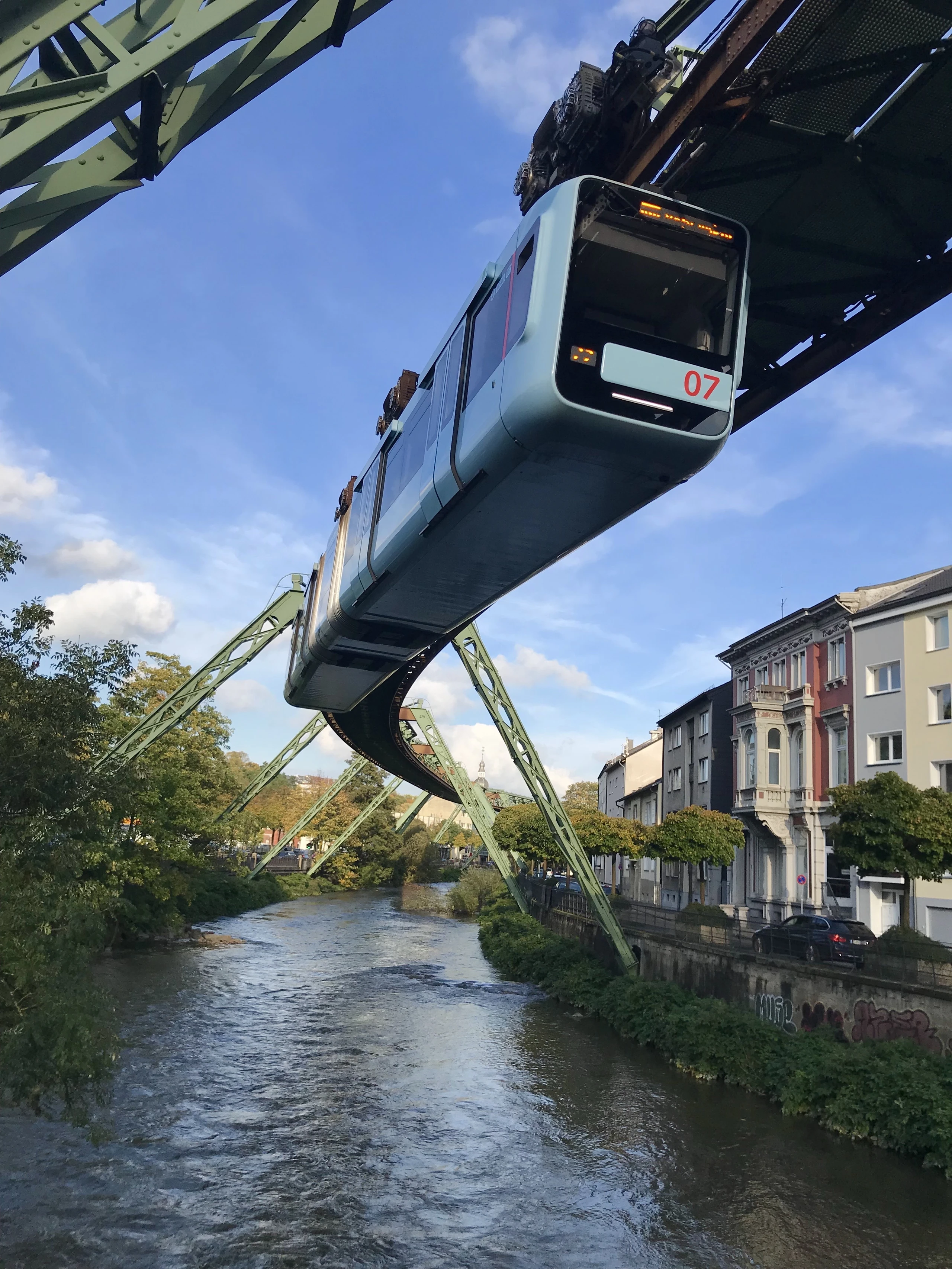
The excursion will start in Cologne with a bus transfer from the meeting point at Kaygasse 2, 50676 Cologne, near the Wasserturm Hotel. Accompanied by an English-speaking local guide, participants will travel to Wuppertal, where the programme begins with a ride on the world-famous Wuppertal Suspension Railway. This unique experience offers an impressive first impression of the city and one of its most iconic landmarks.
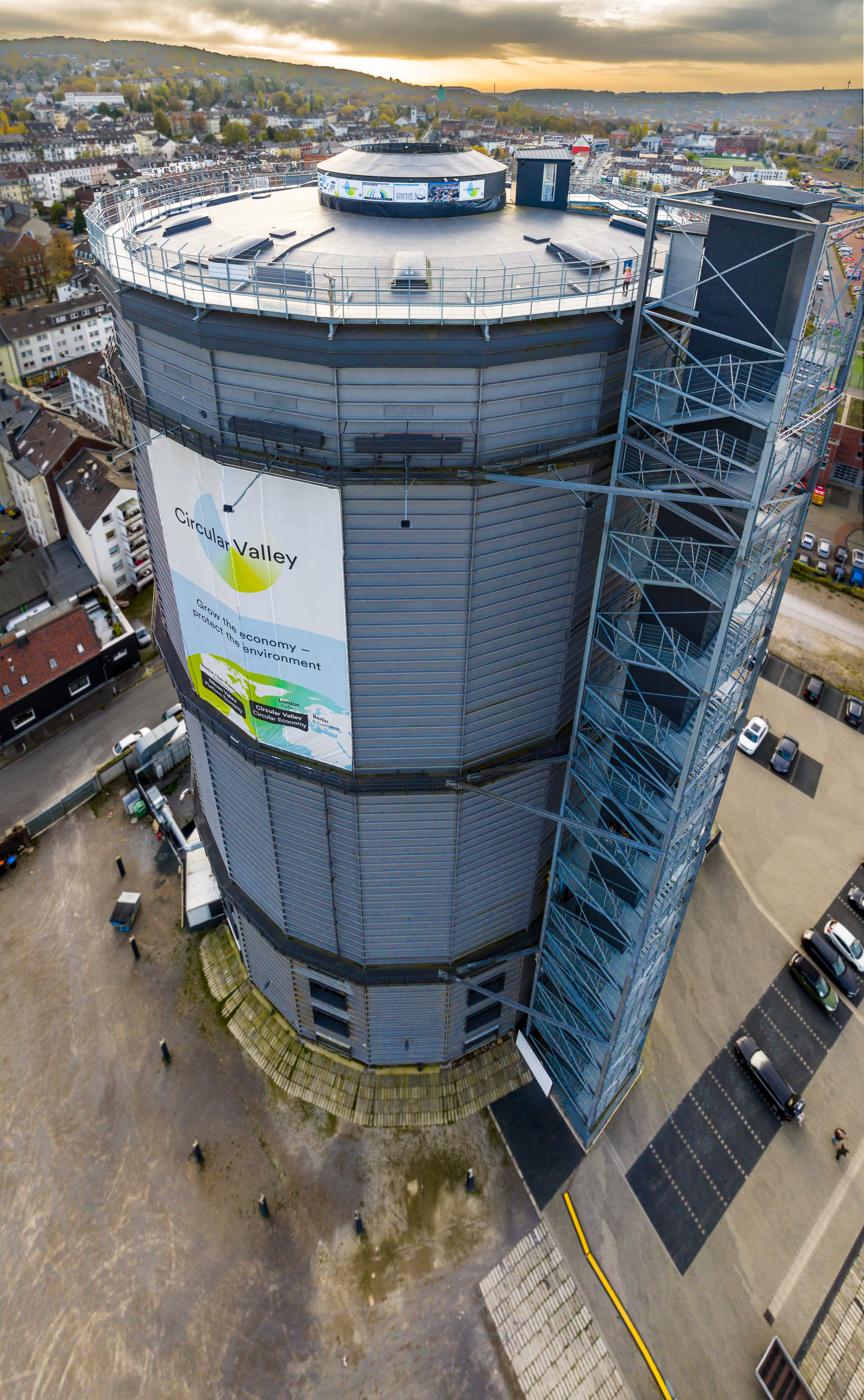
The next stop is the Visiodrom, located inside the converted Gaskessel Wuppertal. The former gas holder has been transformed into an immersive exhibition venue featuring large-scale projections and a spectacular Skywalk with panoramic views over Wuppertal. Participants will visit the exhibition “Origins – From the Big Bang to the Cell” („Origins – vom Urknall bis zur Zelle“), which takes visitors on a visual journey through the origins of the universe and life.
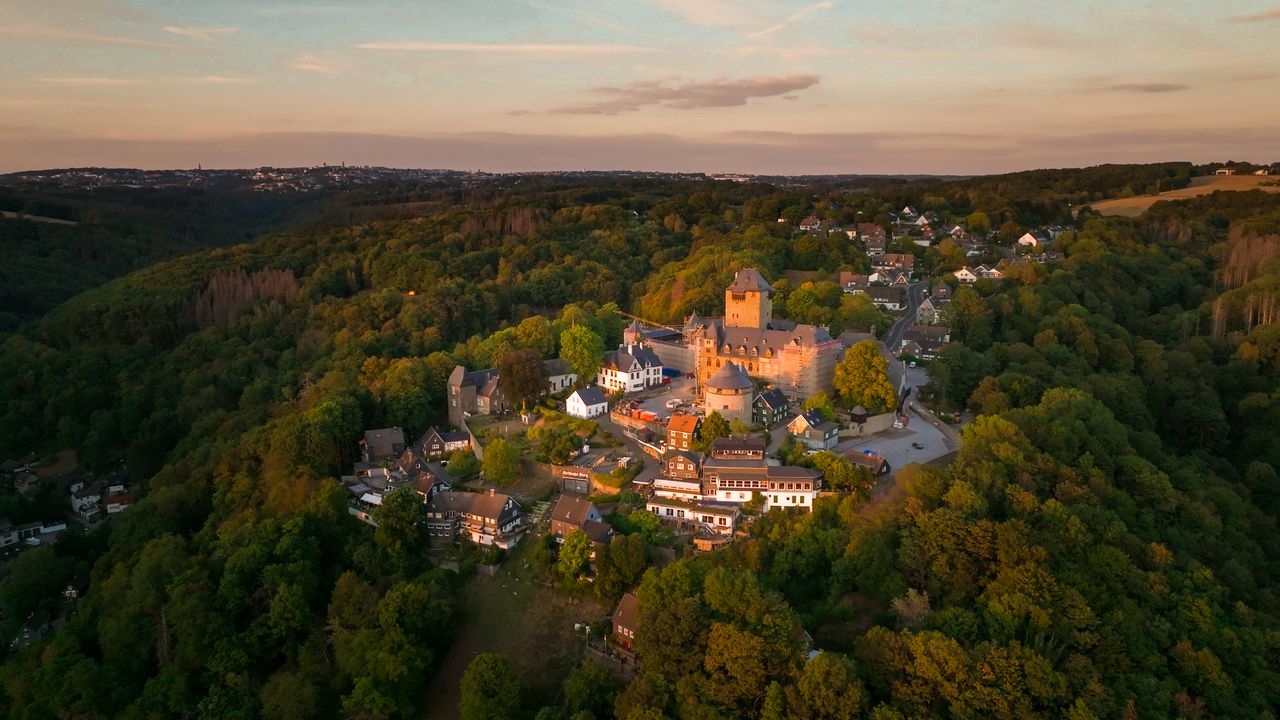
Afterwards, the bus will continue to Schloss Burg in Solingen, one of the landmarks of the Bergisches Land. With origins dating back to the 12th century and a later reconstruction that shaped its present appearance, Schloss Burg offers an impressive insight into the history and identity of the region. The visit will include a guided tour of the castle.
The programme also includes a traditional Bergische Kaffeetafel (Bergisch coffee feast) at Café Kalkum, which will serve as the lunch during the excursion. Despite its name, this regional speciality is much more than coffee and cake: it is a substantial traditional meal with sweet and savoury elements, including waffles with rice pudding, cinnamon and sugar, raisin bread with quark and jam, various breads with butter, cheese, ham and homemade-style liver sausage, as well as pretzels, rusks and a choice of coffee, tea or hot chocolate. Coffee is traditionally served from a Dröppelmina, the characteristic Bergisch coffee pot. The meal offers participants an authentic taste of regional culinary culture and a relaxed setting for informal exchange.
The tour will be conducted in English. Participation in the Social Event must be booked separately during registration.
Date
Saturday, 3 October 2026
Meeting Point
Kaygasse 2
50676 Cologne, Germany
near the Wasserturm Hotel
Language
English
Cost
99 EUR
9:00 AM
Departure from Cologne
10:30 AM
Ride on the Wuppertal Suspension Railway
11:15 AM
Visit to the Visiodrom, including the exhibition “Origins – From the Big Bang to the Cell” and the Skywalk
12:45 PM
Departure to Schloss Burg, Solingen
1:15–3:00 PM
Traditional Bergische Kaffeetafel at Café Kalkum
3:00 PM
Guided tour and visit of Schloss Burg
4:30 PM
Return transfer to Cologne
Discover the most exciting facets of Cologne's past and present! This inspiring walk will take you on a journey through time: from Roman Colonia to medieval Cologne with its churches, guilds and merchants, through the times of war destruction and reconstruction to modern urban development and today's Cologne – full of the unique Cologne lifestyle. A real highlight is Cologne Cathedral, a UNESCO World Heritage Site. Its impressive dimensions, fascinating architectural history, famous works of art and charming details make the outside tour a very special experience – and provide the perfect complement or preparation for your individual visit inside this magnificent building.
After your walk through Cologne, Brauhaus zur Malzmühle is a welcoming place to sit down, enjoy lunch and take in a bit more of the city’s character. Founded in 1858 at Heumarkt, it is closely connected with Cologne’s brewing and grain-trade tradition – a heritage reflected in its name, which goes back to the old municipal Rats-Mühle. Having survived wartime destruction and been rebuilt after 1945, the Malzmühle still carries a sense of history that feels authentic, welcoming and unmistakably “kölsch”.
For lunch, you can choose from a selection of menus, including classic Rhineland dishes as well as two vegetarian options. Together with freshly brewed Kölsch and the lively atmosphere of a traditional Cologne Brauhaus, this is a relaxed way to end your city walk and experience one of Cologne’s long-standing traditions.
The guided tour ends after lunch at Brauhaus zur Malzmühle. Thanks to its convenient location close to the Rhine, you can easily continue your Cologne experience afterwards – for example with a short walk along the river or, as a special highlight, a one-hour panoramic boat tour with KD, offering beautiful views of the city from the water.
Find more information under: https://www.k-d.com/produkt/panoramafahrt-koeln
The tour will be conducted in English. Participation in the Social Event must be booked separately during registration.
Date
Saturday, 3 October 2026
Meeting Point
At the entrance of Wasserturm Hotel
50676 Cologne, Germany
Language
English
Cost
60 EUR
10:00 AM
Departure from Wasserturm Hotel
10:00 AM – 12:30 PM
Guided Walking Tour through Köln
12:30–2:00 PM
Traditional Kölsch Lunch at Brauhaus zur Malzmühle
2:00 PM
End of Tour at Brauhaus zur Malzmühle
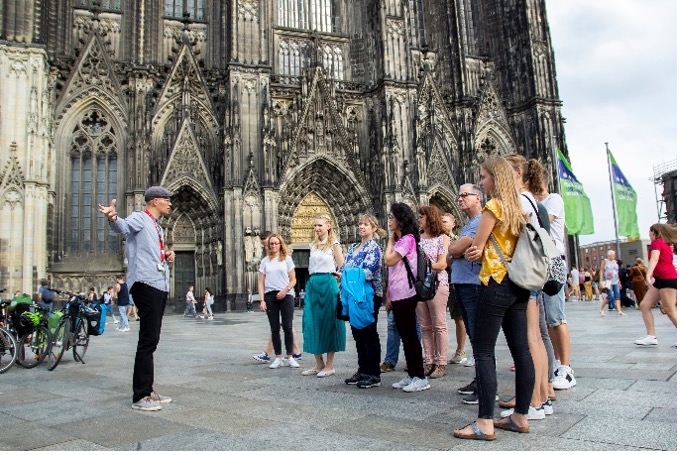
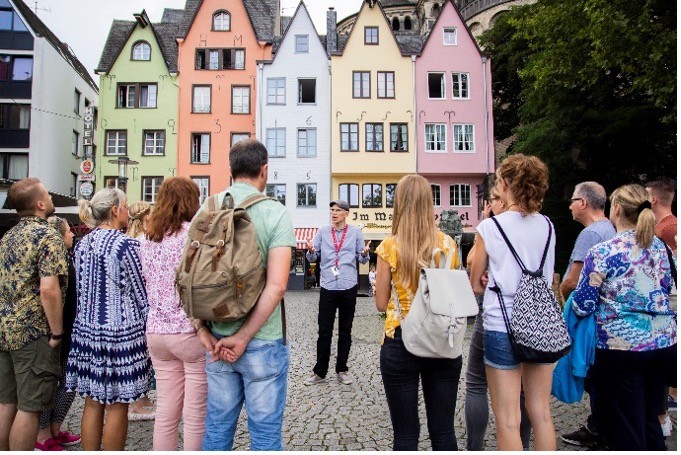
Image Credits: KölnTourismus
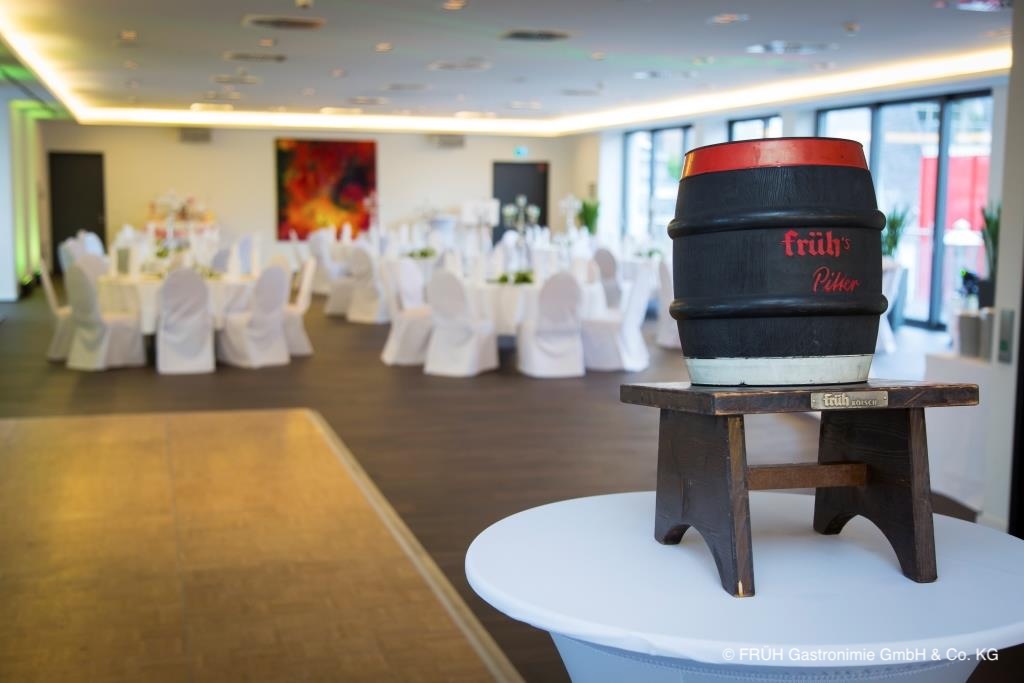
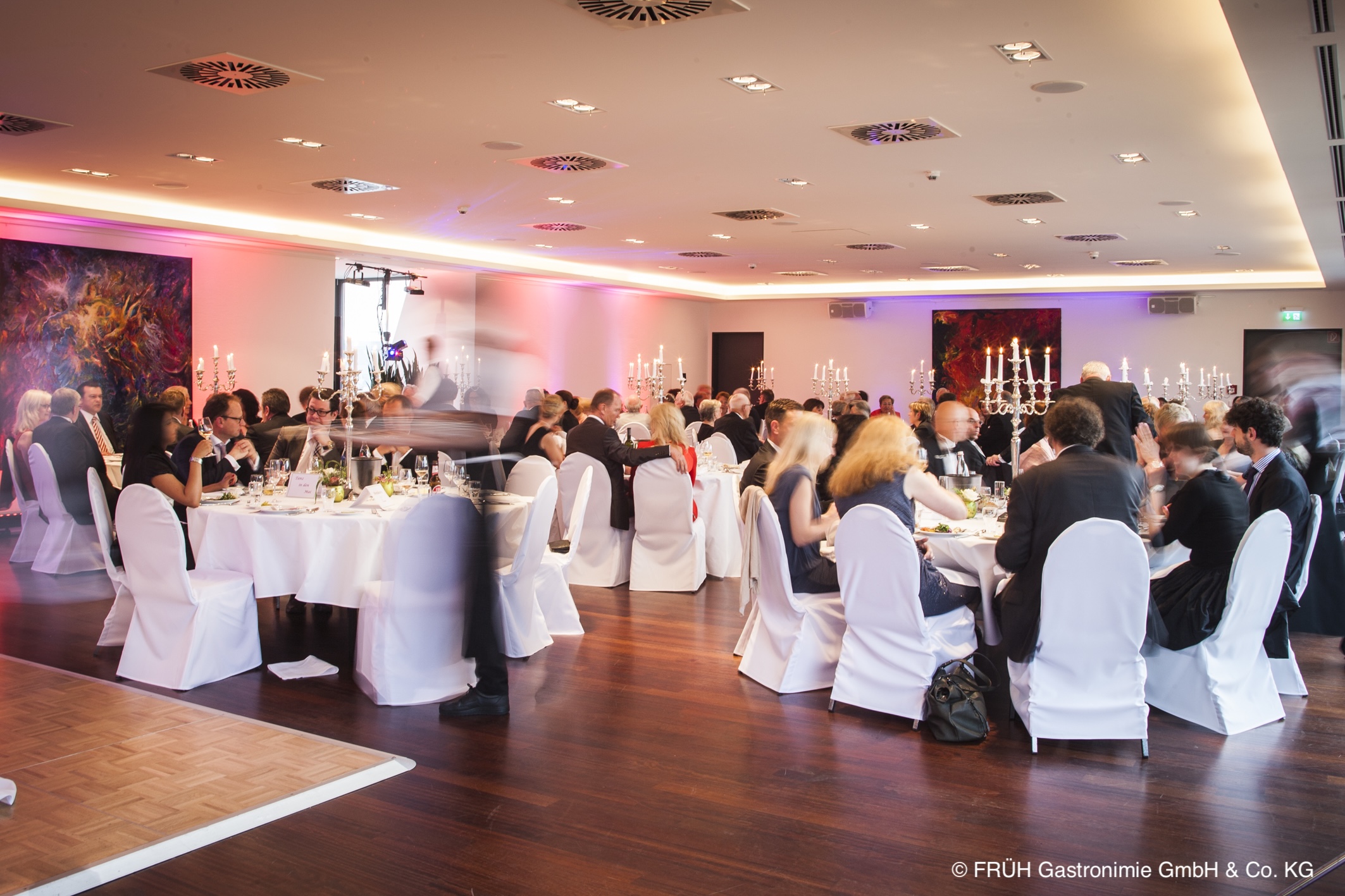
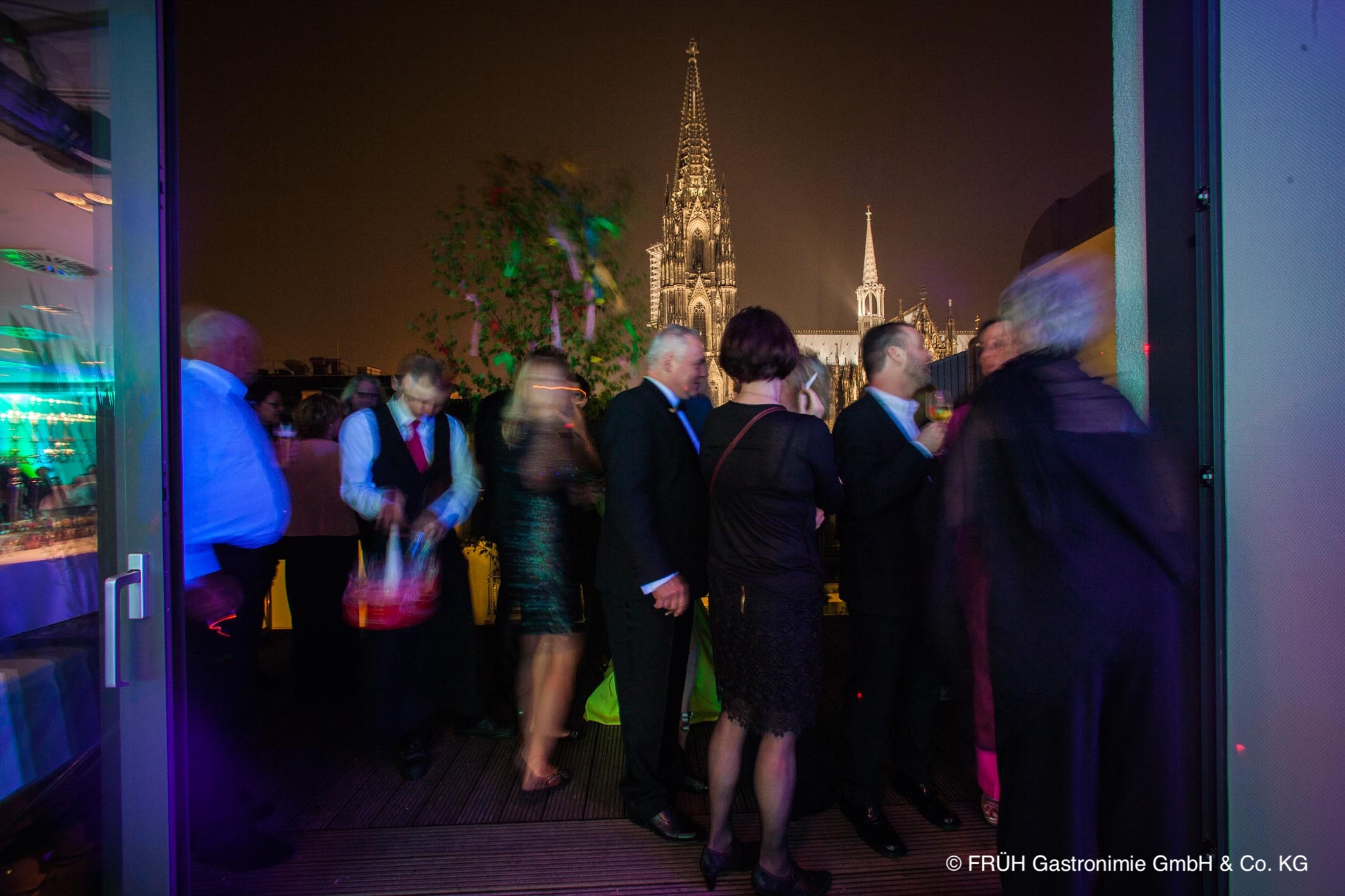
The conference dinner will take place on 1 October 2026 at 19:00 (7:00 PM) at the FRÜH Lounge, a unique venue located above the rooftops of Cologne and offering a stunning view of Cologne Cathedral and the surrounding Rhine area. The bright and spacious lounge provides a memorable setting for an enjoyable evening of networking and informal exchange with fellow conference participants. A large balcony running along the entire length of the venue invites guests to step outside and enjoy the impressive panorama of the city and its most famous landmark.
The FRÜH Lounge is part of the historic Cölner Hofbräu FRÜH, one of Cologne’s most well-known traditional breweries. Founded more than 120 years ago and located directly next to Cologne Cathedral, FRÜH has long been associated with Cologne’s hospitality and brewing culture. Today, it continues to combine tradition with modern event spaces while serving its renowned FRÜH Kölsch, a classic top-fermented beer that is an essential part of the city’s culinary heritage.
During the evening, guests will enjoy a selection of international, vegetarian, and regional Rhineland cuisine, accompanied by traditional FRÜH Kölsch, wine, and non-alcoholic beverages.
Participants who would like to explore the venue in advance can take a virtual tour of the FRÜH Lounge: https://www.frueh-am-dom.de/frueh-lounge-veranstaltungsraum.html?tour=starten
The Conference Dinner must be booked separately during registration.
FRÜH Lounge (access via Eden Hotel FRÜH am Dom)
Sporergasse 1
50667 Cologne
Germany
The venue is located in the city center directly next to Cologne Cathedral and can be reached from the conference venue in approximately 19 minutes on foot or about 12 minutes by public transport (tram lines 16 or 18, from Poststraße to Dom/Hbf)>.

Copyright: ICL, Hosting: International Association of Online Engineering (IAOE), Website: Sebastian Schreiter / Agencia 609, DuocUC